Shouting CEQA reform from the rooftops

Welcome to BACAville
We could soon find out how Californians really feel about CEQA.
Voters are on track to consider a CalChamber-backed ballot measure in November that aims to modernize the 55-year-old California Environmental Quality Act to speed up the construction of essential housing, clean energy, transportation, water infrastructure and other projects.
The measure, titled the Building an Affordable California Act, cleared a signature threshold last month to appear on ballots and is gaining momentum, including an endorsement last week from Assemblymember Buffy Wicks, the former Housing Committee Chair and accomplished CEQA brawler.
Polls have consistently identified support among Californians for CEQA reform, including for the overhaul Gov. Gavin Newsom signed into law last summer. BACA, if it indeed appears on ballots, will test millions of voters’ appetite for streamlining a law that’s famous in housing and environment circles but less of a household name in other contexts, including clean energy.
CalChamber estimates BACA could shave three to seven years from many clean energy project timelines — a huge improvement that will help California satisfy surging energy demand, meet its clean energy goals and stabilize electricity prices.
ACP-California supports BACA. While CEQA usually isn’t the highest hurdle to building clean energy in this state (more often that would be interconnection), it does add time, cost, and risk — often because of opposition that has nothing to do with protecting the environment.
Annie Mudge, a leading CEQA attorney, summed it up nicely during a panel discussion at last month’s Clean Energy Symposium in Sacramento.
The law is an “excellent idea,” she said, “but it has become broken. It is too long, it is too bulky, it is too expensive, it is too easy to challenge, and no one reads these documents — no one except the project developers and the lawyers.”
The law, signed by California Gov. Ronald Reagan in 1970, requires public agencies to consider environmental impacts of proposed projects, publicly disclose the impacts, and try to minimize or offset harms.
It’s done a lot of good, protecting old growth redwoods and the San Francisco Bay and giving disadvantaged people a say in what happens in their communities. It has benefits for clean energy, too, providing a forum and a framework for developers to engage early with residents and interest groups so the projects can be better neighbors and more accommodating to plants and animals. But the process has ballooned over time, adding years of paperwork and extra costs at a time when speed and affordability are imperatives for California’s climate action.
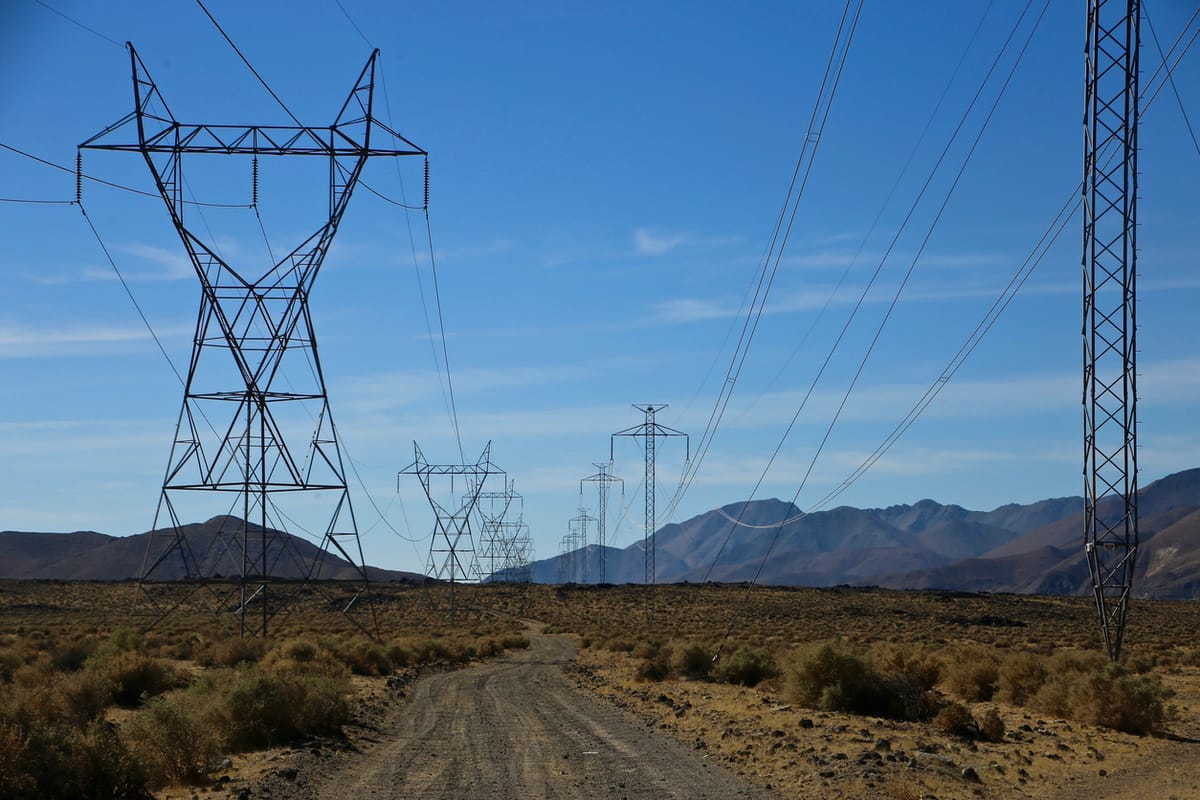
A poster child for CEQA excess is Sunrise Powerlink, a 117-mile transmission line San Diego Gas and Electric built to carry wind, solar and geothermal power from the Imperial Valley to San Diego.
The $1.9 billion line was proposed in 2005 and placed into service in 2012. While seven years isn’t bad as transmission development goes, the project took only 21 months to construct. As SDG&E told an Assembly informational hearing in 2023, the bulk of time was spent navigating an environmental review process that spanned five years and culminated in an 11,000-page environmental impact report with more than 300 mitigation and conservation measures.
BACA cuts down on the delays while preserving all of CEQA’s core elements. It’s important to note the measure would not exempt a power line like Sunrise Powerlink or any other clean energy project from CEQA, just streamline the reviews.
A big contributor to the Sunrise delay was the detailed analysis of 30 alternative routes for the line, following a preliminary assessment of nearly 100. CEQA requires developers to evaluate an unspecified number of alternatives to every proposed project, and the level of detail that’s expected in those alternatives can be unclear. Perceived inadequacies in those analyses (“why didn’t you consider putting the project over here instead?”) provide fodder for project opponents.
BACA would instead narrow the analysis for essential projects to one feasible alternative along with a “no project” scenario. That will help minimize time-consuming side quests and reduce the potential for lawsuits.
The measure also sets firm timelines for government agencies to carry out their responsibilities under the law. These “shot clocks” would apply to the initial determination that an application is complete, document preparation, the final decision and to post-approval tasks like finalizing specific species plans, which can drag on for years. While the CEQA guidelines specify timelines for lead agencies to finalize their environmental review, developers have little recourse if agencies miss the deadlines. BACA would make them enforceable.
The measure would build on progress made in recent years by Newsom, including legislation he signed in 2023 to extend and expand streamlining that limits judicial reviews to 270 days for clean energy projects in the state’s Environmental Leadership Development Projects program.
BACA would apply that streamlining to all clean energy projects, which could shorten the time projects are tied up in court. Importantly, the provision could also deter litigation in the first place from bad-faith plaintiffs who sue only with the intent of delaying a project for a few years, said Mudge, the CEQA attorney.
The fear of lawsuits is a big part of why CEQA has become so burdensome. Environmental impact reviews in the 1980s were less than 100 pages, but they’ve grown to thousands as developers try to head off any possible legal claim, however small, that could gain purchase in court, said Mudge. Even development-friendly jurisdictions like Kern County can’t “get to yes” on a proposal in less than two years, she said.
These extensive reviews weren’t meant to be required for projects that are unlikely to negatively affect the environment. CEQA housing reforms last year lowered the review threshold for projects in settings where environmental impacts are nonexistent or highly unlikely. Something similar would make sense for clean energy development in low-impact areas, particularly for projects on water-impaired agricultural land with little conservation value.
There are more good ideas in the Little Hoover Commission’s 2024 report on CEQA, including implementing a higher bar for standing to sue under the law.
Clean energy deserves to be a bigger part of the conversation on CEQA reform — what Jerry Brown famously called “the Lord’s work”. The law was passed to stop reckless development. It has done that and will continue to do that. But with electricity demand surging, prices rising and climate change threatening all California, delays pose grave environmental threats. While BACA doesn't address every barrier facing clean energy, it takes meaningful steps to build faster and more affordably without scrapping environmental review.
In the climate era, its passage would be cause for rejoicing.
Connect For
We have an interconnection bill.
AB 2493, authored by Assembly Utilities and Energy Chair Cottie Petrie-Norris, aims to get to the bottom of utility delays connecting new clean power to the grid. And it directs the CPUC to require the utilities to do something about it.
The CPUC quantified the delays we’re talking about in its SB 1174 report last year (at least for PG&E and SCE), finding that nearly 22 GW worth of clean energy projects depend on transmission system upgrades that are delayed.
The bill, which is co-sponsored by ACP-California and the Union of Concerned Scientists, would bring in a third-party auditor to review the utilities’ progress in addressing the delays identified in the report. It would have the CPUC order the utilities to take remedial action based on the findings, and then it would make their progress a factor in rate and cost-of-capital proceedings that affect utilities’ bottom lines.
The reasons behind these delays are numerous and complicated. Like Tolstoy’s quip about unhappy families, every delayed project is delayed in its own way. But the same is true for what makes on-time projects alike. The bill makes clear that utilities should prioritize these upgrades along with wildfire mitigation, grid connections for data centers and their other essential work.
Procure up
It’s official: The CPUC voted unanimously Feb. 26 to direct load-serving entities to procure an additional 6 gigawatts of new clean power between 2030 and 2032 to bolster reliability and encourage speedy development to capture expiring federal tax credits.
As we discussed in January, the order boosts clean energy supplies to respond to surging electricity demand propelled by EVs, data centers, building electrification and more.
The CPUC made some tweaks in the final version of the order. It drops a previously proposed cap on how much energy storage may count toward the 6 GW total while stipulating that a quarter of the new power must come from “clean firm” sources (such as geothermal) and long-duration energy storage.
The requirement is structured to require LSEs to bring on 2 GW by 2030, 2 more by 2031 and 2 by 2032. It’s a meaningful order that comes at a critical time for California’s renewable-powered grid.