A solar-on-farmland solution

Welcome to The Current, an American Clean Power-California newsletter. Our goal is to deliver an accessible industry perspective on clean energy legislation, regulation and happenings in California every other Wednesday.
I'm Wes Venteicher, ACP-CA's communications director based in Sacramento. If you like what you see here, please help get the word out. New readers can subscribe at cleanpowercalifornia.org. Thoughts, ideas and feedback are welcome – email me at wventeicher@cleanpower.org.
California Farmin’
It was a different California that birthed the Williamson Act in 1965. Solar energy on the grid wasn’t a thing, poets could afford San Francisco, and groundwater seemed unlimited.
That’s all changed, but for the most part, the Williamson Act hasn’t. It still gives tax breaks to farmers who place a portion of their land into long-term easements that help keep agricultural areas from being carved up by suburbs. That’s all well and good. But the act also creates a high barrier to anything but farming or open space on the easements, and that’s where the 1965 law needs an update to align with California’s modern priorities.
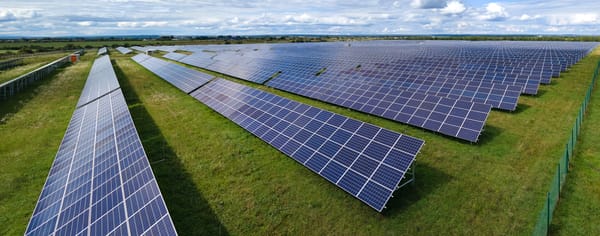
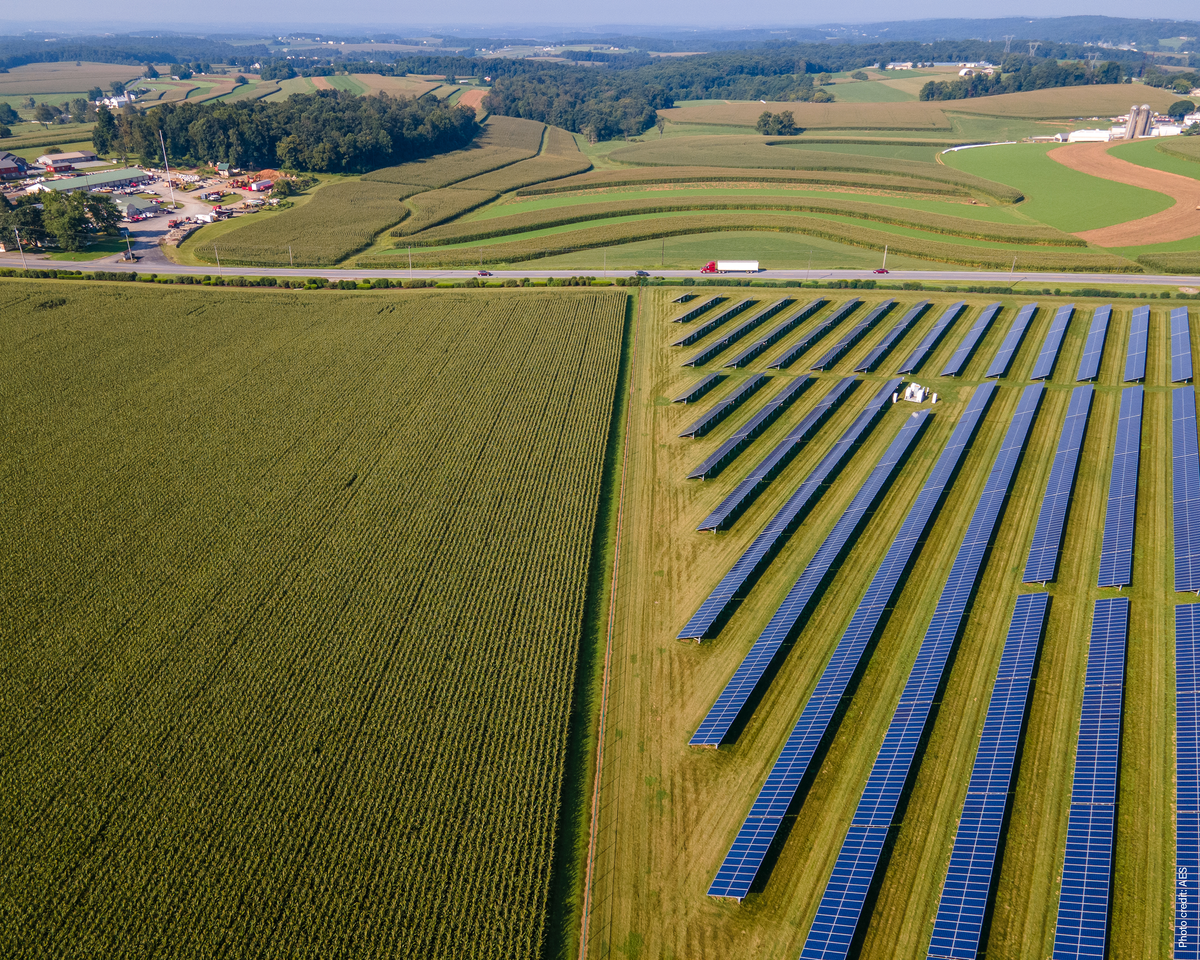
The state is facing an electricity affordability crisis, a groundwater shortage, and ambitious clean energy goals encoded in state law. Assembly Bill 1156 would help address all three of those challenges by making it easier and cheaper for farmers to put solar on water-impaired Williamson Act land.
The act charges a steep fee — often in the millions of dollars — for farmers who want to convert land that’s been placed into a Williamson Act easement to another use. When they convert the land to solar, those fees get baked into the price of the electricity that’s sold to ratepayers around the state. AB 1156 would allow farmers to suspend Williamson Act contracts while the land is being used for solar, avoiding the fees and making electricity that much cheaper. The bill also establishes objective criteria, including water constraints, to guide local government decisions on converting Williamson Act parcels to solar.
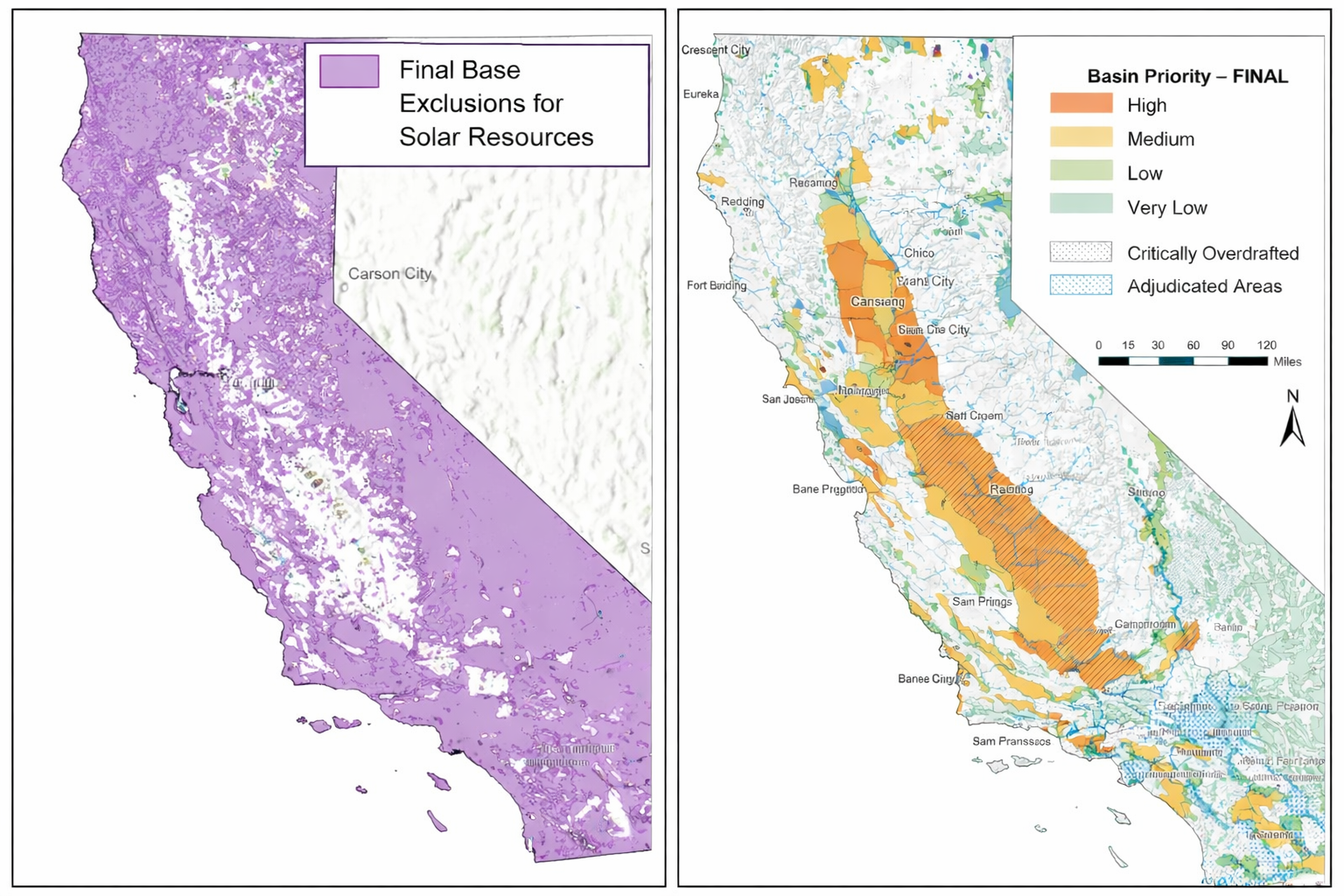
The bill would help farmers survive the fallowing of an estimated 500,000 to 900,000 acres of San Joaquin Valley farmland over the next 15 years, according to the Public Policy Institute of California. Farmers will have to take that land out of production to comply with California’s Sustainable Groundwater Management Act by the early 2040s, and many see solar as a lifeline to replace lost income from those acres.
And the legislation would make it easier for California to satisfy rising electricity demand and meet its clean energy goals. The state’s SB 100 goals call for tripling clean energy capacity by 2045, and utility-scale solar is projected to provide nearly half of the additional power. The energy planners tasked with implementing those goals have pinpointed the San Joaquin Valley as the prime place to put the solar farms to avoid sensitive habitats and otherwise unsuitable terrain.
The proposal makes sense, and that’s why it cleared the Assembly and the Senate last year with support from groups like the Western Growers Association and the Almond Alliance. But Assemblymember Buffy Wicks, the bill’s author, held it from a final Assembly concurrence vote to work out “outstanding concerns” with Gov. Gavin Newsom’s office, Politico reported. No one outside of that office seems to know what the concerns are.
The legislation should be advanced and signed as soon as possible to provide certainty around costs for major clean energy projects, including some that Newsom has held forth as examples of California innovation.
While the changes in AB 1156 are significant for cost savings, agricultural viability and the state’s clean energy supplies, the acreage involved isn’t enough to fundamentally affect California’s agricultural character. About 15 million acres in California — roughly half its total farmland — are in Williamson Act contracts. If 100% of the utility-scale solar called for in California’s energy plans were to be sited on Williamson Act parcels, we’re still talking about less than two percent of that land.
And importantly for farmers, under AB 1156 the land can be returned to agricultural production later on. Cameron Moors, a Gen X row crop farmer in Fresno County, said new water infrastructure such as Sites Reservoir could make farming more viable in the area over the long term.
But in the meantime, groundwater restrictions are leaving farmers with fewer options to earn an income, Moors said.
“I think it’s good to give folks optionality, and I think that’s what the possible suspension of the Williamson Act would provide,” he said. “Otherwise, if you can’t put anything on it, it’s bare land — there’s not a whole lot of value.”
The Legislature attempted something similar to AB 1156 with a solar-use easement law in 2011, but the pathway it created to rescind Williamson Act contracts to make way for solar is costly and complex, so it hasn’t been used.
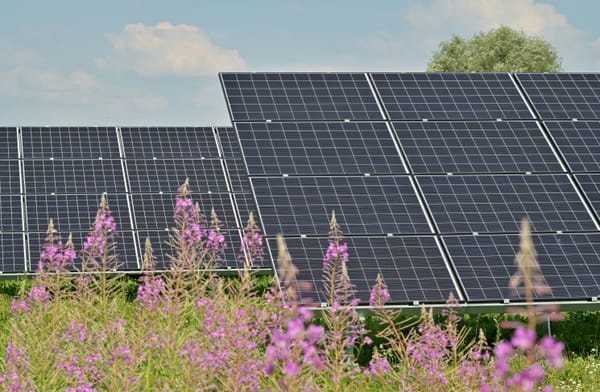
AB 1156 is another chance to get it right. Solar is an abundant crop in modern-day California, and we all benefit if farmers can harvest it on their fallowed lands without paying fees that are out of alignment with the state’s affordability and climate goals.
Power up
The California Public Utilities Commission is getting more serious about ordering utilities and other retail electricity providers to quickly buy a batch of clean power to avoid a potential near-term supply crunch.
An administrative law judge at the CPUC issued a proposed decision last week that would direct load-serving entities to procure an additional 2 gigawatts by June 2030 and another 4 GW by June 2032 to enhance reliability and capture savings from expiring federal tax credits.
As we mentioned last time, the proposed decision responds to an ACP-CA filing over the summer that identified a potential shortfall in energy supplies between 2028 and 2032.
The potential shortfall is driven by growing demand from data centers, electric vehicles, electric appliances and other factors. Projections have increased even more since ACP-CA’s filing, with the California Energy Commission reporting early this month that PG&E now has about 15 GW of new demand from data centers in its pipeline, up 3 GW since just September.
ACP-CA reasoned in our summer filing that moving quickly on another procurement order would be a no-regrets strategy to guard against a shortage while helping more energy projects qualify for expiring federal tax credits that save $400 million to $650 million per gigawatt of solar or wind.
The proposed decision also acknowledges growing concerns about whether California has enough power to draw on to reliably charge the state’s rapidly expanding battery storage fleet. The proposal sets parameters that no more than half of the additional procurement can come from batteries or other storage resources.
The proposed decision has one more step to go: It will get a vote from the full commission at one of its upcoming meetings. We’ll be advocating for the commission to adopt the proposal and seize the chance to advance reliability and affordability.
Oh report, where art thou?
Speaking of tax credits, we’re coming up on five months since Newsom, smartly, directed state energy agencies to take “all steps necessary” to accelerate clean energy projects that are positioned to qualify for the credits.
Newsom’s order, issued Aug. 29, directed an energy working group within the governor’s Infrastructure Strike Team to report back to him within 90 days on actions taken and recommendations for additional solutions. We’re at day 145, and still there’s no report, at least not anything public.
To be sure, it’s a tall order even to identify which projects in the state’s various permitting and approval pipelines can meet the truncated deadlines in President Trump’s One Big Beautiful Bill Act.
But the deadlines are coming. The latest a wind or solar project can come online and still claim a tax credit is Dec. 31, 2030. That’s the deadline for projects to qualify under “safe harbor” guidelines if they can demonstrate they started construction by July 4, 2026. That means developers face urgent decisions about which projects to prioritize.
ACP-CA has offered ideas on how to address permitting and interconnection delays. We’re eager to see the energy working group’s ideas too. The clock is ticking.